
Formula 1 teams have rolled out significant technical updates ahead of the 2026 Japanese Grand Prix at Suzuka, with Red Bull’s package topping the list to tackle early-season handling woes. The event, Round 3 of the championship, kicks off Friday with Free Practice 1 and 2, setting the stage for these developments on a track known for punishing tyres and demanding precision.
Red Bull confirmed its first major upgrade of the season for the RB22, focusing on fixes for handling issues, tyre graining and reliability after acknowledging shortcomings in the opening rounds. The team aims to regain form at Suzuka, a circuit where it has historically performed well, as Max Verstappen and his squad seek to steady their championship challenge. Details remain targeted but unspecified publicly, signaling a concerted effort to address balance problems exposed in prior races.
Ferrari joins the upgrade push with refinements including an experimental upside-down rear wing concept, updated halo mini-winglets and a larger front brake duct for enhanced tyre cooling. These changes prioritize aero balance, high-speed stability and energy management, helping Charles Leclerc and Lewis Hamilton narrow the gap to the leaders on a tyre-degrading layout. Aston Martin, powered by Honda at its home track, introduces a substantial engine upgrade for performance and reliability gains, paired with chassis modifications. Fernando Alonso and Lance Stroll hope this proves pivotal after a tough start for the AMR26.
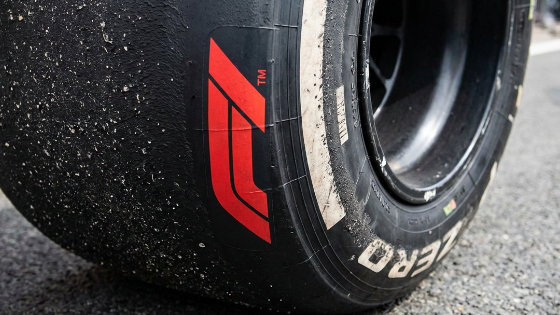
The Suzuka circuit amplifies these innovations. Its 5.807-kilometre layout, with relentless direction changes through the Esses, Degner 2 and hairpin, stresses front tyres heavily while high-speed sections like 130R test energy use. Pirelli selected its hardest compounds—C1 hard, C2 medium and C3 soft—with the C1 debuting here after skipping the first two rounds. Recent resurfacing across all sectors leaves the track smooth but low-grip initially, likely promoting two-stop strategies amid contained thermal degradation from cooler conditions.
Adding to the weekend’s intrigue, the FIA announced energy management tweaks for Qualifying following driver and team feedback. Power unit manufacturers unanimously backed reducing maximum battery recharge from 9.0 to 8.0 megajoules, curbing excessive harvesting, lifting and coasting to restore flat-out laps. This addresses concerns over the 2026 rules diminishing Qualifying’s spectacle, with further refinements planned post-event.
These updates and adjustments come as teams adapt to the new regulations, where battery strategy has complicated sessions. Early reliability holds strong operationally, but Suzuka’s demands could shuffle the order, influencing the title fight after two rounds.
El mapa oficial de Suzuka para el #japanesegp . Habrá 2 zonas de aero activa pic.twitter.com/lixdPUYgW3
— Albert Fabrega (@AlbertFabrega) March 26, 2026