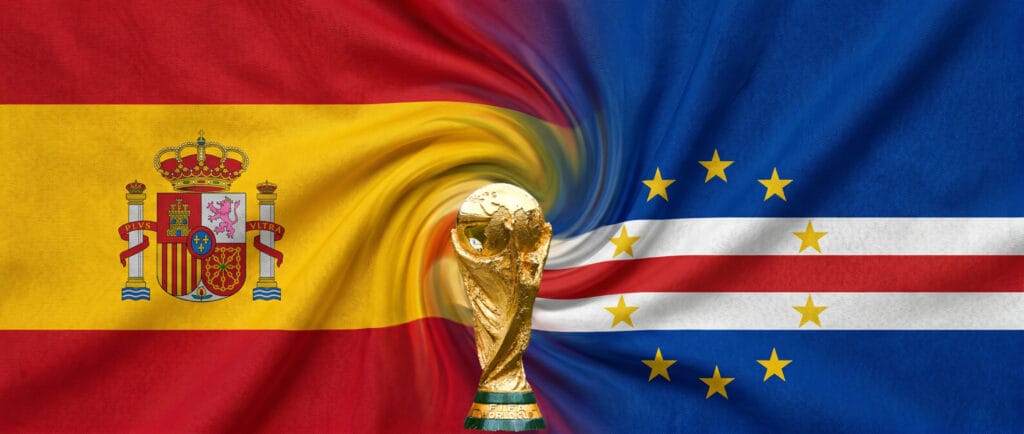

It’s hard to believe that Spain couldn’t beat Cape Verde — the world’s sports media is in uproar over the result, screaming from every platform that this is the biggest upset of the tournament so far, with feature pieces pouring out about the players’ backstories. There’s a bank advisor among them, a dentist too. I can already picture sharp-eyed producers huddled with their writers, mapping out the next hit film about the little African nation’s fairy tale run.
I’ll admit I was among those who raised an eyebrow when the World Cup field was expanded — and particularly because Europe came off worst in the redistribution, receiving only 3 additional spots compared to other confederations.
Watching how the African and Asian sides are actually performing, though, I have to say — this change, which carries a whiff of the Olympic spirit about it, may not have been such a bad call after all.
But why is it that at this World Cup, the gap between the big sides — the ones everyone on paper expected to steamroll the group stage — and the smaller nations just isn’t showing up in the results?
I have three theories, and it may well be their combined effect causing this — though I could be wrong, or missing something entirely…:
1. With the tournament field expanding significantly and many third-placed sides now advancing too, the tension — the stakes attached to individual matches — may have loosened slightly compared to previous tournaments. The favourites don’t necessarily step onto the pitch with the same razor-sharp edge, not always consciously. On the other side of the coin, there are teams with players for whom this is the greatest achievement of their lives — one of the biggest stages their career will ever offer them. All of that can manifest, even subconsciously, in sheer determination and hunger.
2. The second factor, I think, is a by-product of football’s evolution — or transformation, if you will. Smaller nations are becoming increasingly professional: arriving at tournaments with professional coaching staffs, professional physios, professional preparation, and genuine tactical depth, which can narrow the gap considerably. It’s something I believe you can observe across most sports — it’s not that the best have become dramatically better, even though they do have superior resources and scientific backing compared to, say, 20-30 years ago. Rather, it’s the average player’s overall level that has risen, largely thanks to those very same improved conditions and support structures.
3. The third factor — and perhaps the most important — is that preparation time for a World Cup is extremely short. Working out the patterns, tactical elements, and on-pitch relationships required for an effective attacking game takes considerably longer than organising a solid defensive structure. And as we know, preparation time is limited. There’s precious little time for players to gel and for coaching staffs to build a system that’s resilient and capable of responding well across different situations. That’s precisely why how much a team can grow and improve within the tournament itself is absolutely crucial to their chances of success.
Back in 2010, Spain started that World Cup pretty poorly too — they opened with a defeat against Switzerland, and I remember mentally writing them off at the time, thinking to myself: there they go again, going to amount to nothing at a World Cup. Then, of course, they went and won the whole thing — much like Argentina in 2022.
That Spain side, if I remember correctly, had a certain Fernando Torres and a certain David Villa — which came in rather handy when it came to finishing, something that has frequently been a problem for the Spanish.
It’s like a chronic condition they can’t find a cure for — a kind of arterial narrowing that keeps coming back. They went out of the last two World Cups in exactly the same fashion: the tiki-taka flowed, the passes piled up, but when the goals didn’t come, they became like a potato bug flipped onto its back, unable to right itself. And it’s nothing short of absurd that during the first half against Cape Verde, there was a 30-minute spell where Oyarzabal, playing as a centre-forward, didn’t touch the ball once.
In 2010, Spain didn’t have wide players of this quality — and here I’m thinking specifically of Lamine Yamal and Nico Williams. An awful lot is going to depend on them for Spain in this tournament.
An Old Man by the Campfire:
The entire Cape Verde side was heroic — but one man stood out even among them.
Vozinha, the team’s goalkeeper, arrived straight from the Portuguese second division to stop not just Spain’s shots, but their very soul. At 40 years of age, he became the oldest player in history to make his World Cup debut — no one, at that age, had ever played their first tournament match before.
He made 7 saves, 6 of them inside the box, and had to face down an xG of 1.45 and somehow hoist a clean sheet above it all.
I can picture him now — old, grey-haired, sitting by a campfire on one of Cape Verde’s sandy beaches, telling the wide-eyed children gathered around him about the day he stood tall against Spain.
Cultural Moment:
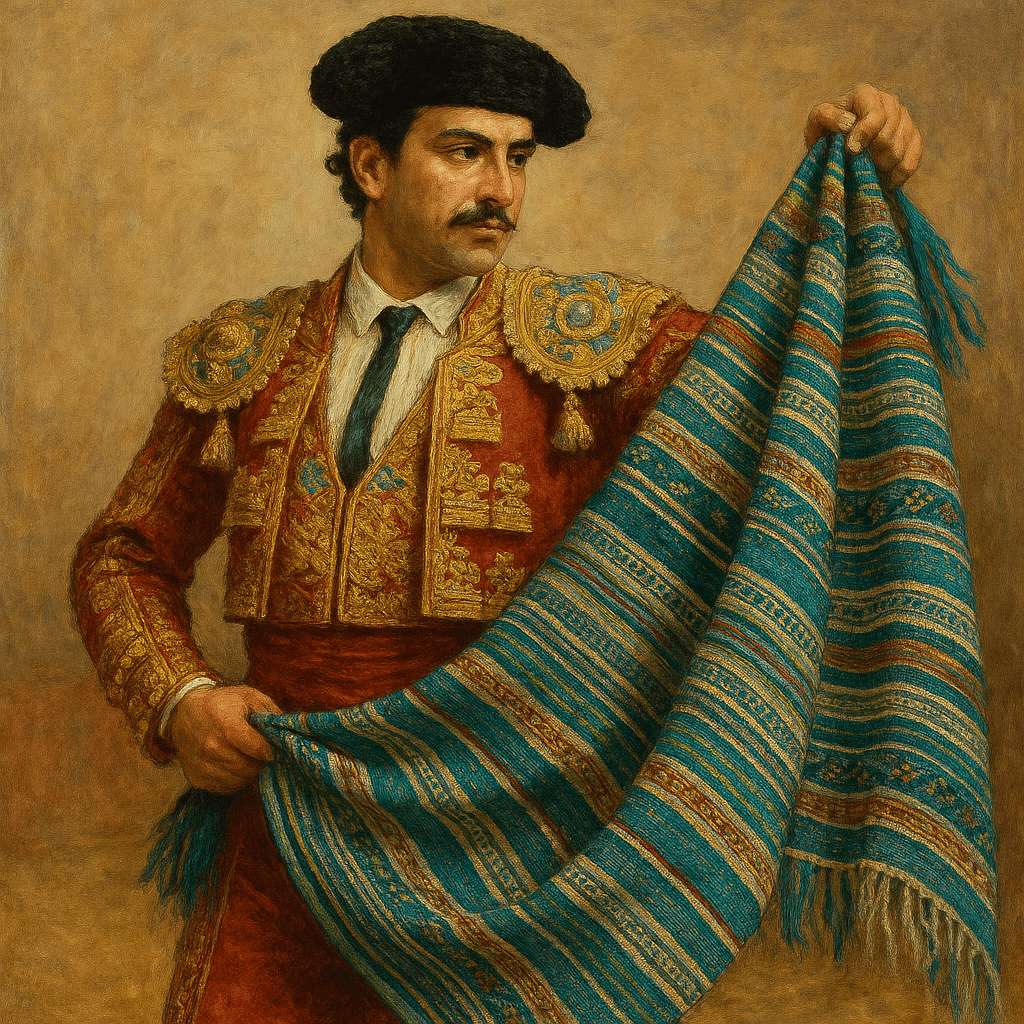
A Spanish toreador, waving not a red cape but a pano di terra — also known as pánu di téra — a traditional hand-woven cotton cloth from Cape Verde, billowing in the wind.
Highlights | Spain 0-0 Cabo Verde | FIFA World Cup 2026™